Tricycles for children with mobility impairments
A versatile aid with positive effects
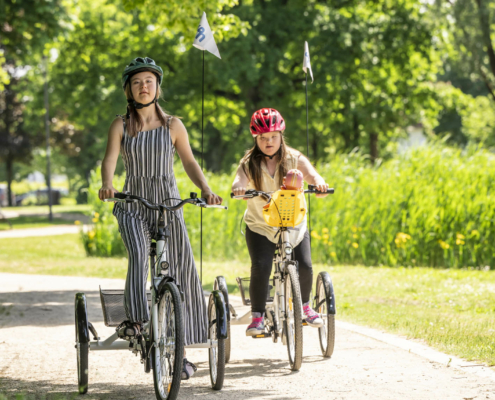
Tricycles are much more than just a means of transport for children and young people with movement disorders. They serve as important aids for medical-therapeutic purposes and offer numerous benefits, both physically and socially.
Therapeutic advantages
The use of tricycles aims to strengthen muscles, train support function, balance and movement coordination, and improve general coordination. These aspects are of great importance in promoting the mobility and independence of children with movement impairments.
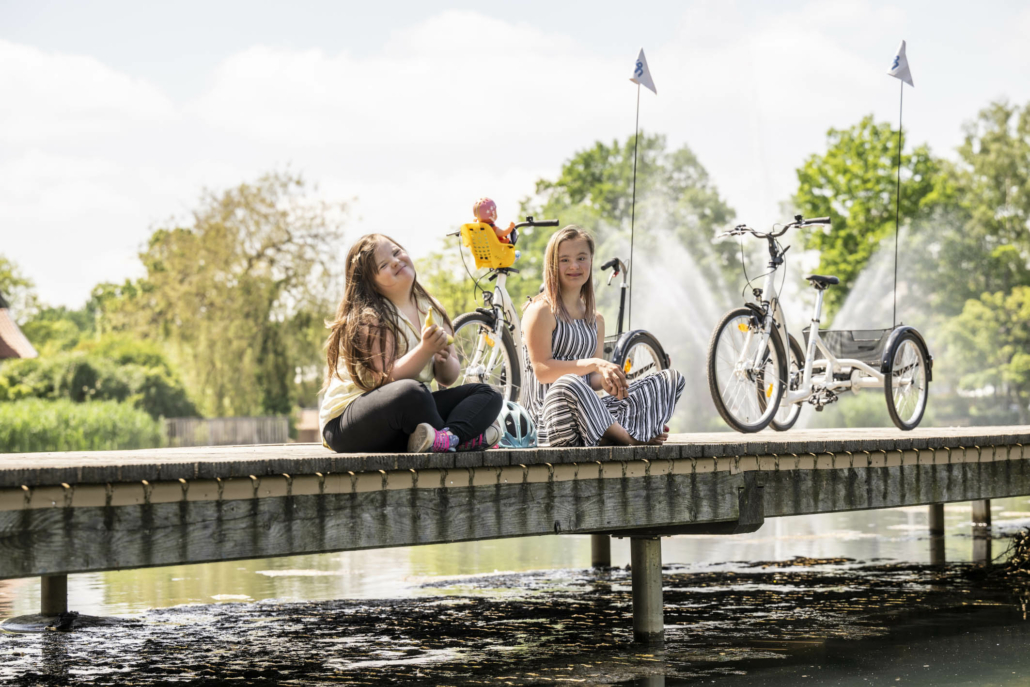
In addition to the medical-therapeutic goals, social aspects also play a decisive role. Cycling not only expands the radius of action of those affected, but also enables them to gain valuable spatial experience. Cycling together with family and friends also promotes social integration and increases the children’s zest for life and self-esteem.
Positive effects on gait
A remarkable finding is that, according to therapists’ experience, cycling can also make walking easier. This discovery opens up new ways to make therapy for movement-impaired children more effective and enjoyable by integrating cycling training.
The study and its results
To explore this effect in more detail, we conducted a study involving a total of 19 children and adolescents between the ages of six and 17. The participants had various movement disorders, including cerebral palsy, ataxia and global developmental disabilities.
During the three-week training, the children completed an average of 13 20-minute sessions on a variety of bikes, including tricycles, recumbent bikes, therapy bikes and bicycles. The majority of the participants enjoyed the training very much. Very rarely were there negative experiences such as saddle pain or sore muscles.
The evaluation of the gait analysis clearly showed that the gait speed, step length and step frequency were increased overall after the cycling interval. Some participants even showed slight improvements in joint angles during walking, especially an increased range of motion in the knees.
Focus on optimal care
Furthermore, the observation and analysis of the gait pattern made it possible to identify and improve negative factors such as unfavourable aids or inappropriate footwear. This underlines the importance of holistic care for children with movement impairments.
Schlussfolgerung
The results of this study impressively demonstrate the positive effects of cycling on the mobility and gait of children with movement disorders and motivate us to continue producing high-quality tricycles and therapy bikes such as the momo tricycle. in order to enable many children and young people with movement restrictions to enjoy a better quality of life. The individual configuration of these wheels is easily possible thanks to a wide range of accessories, so that every child can find the perfect aid to enrich their lives and increase their mobility.